Why do frozen mileage rates affect VAT?
Your business pays a fixed mileage allowance to staff who use their private cars for business travel. The rates published by HMRC have been frozen since 2011 but is this relevant to determine how much input tax you can claim on the payments?
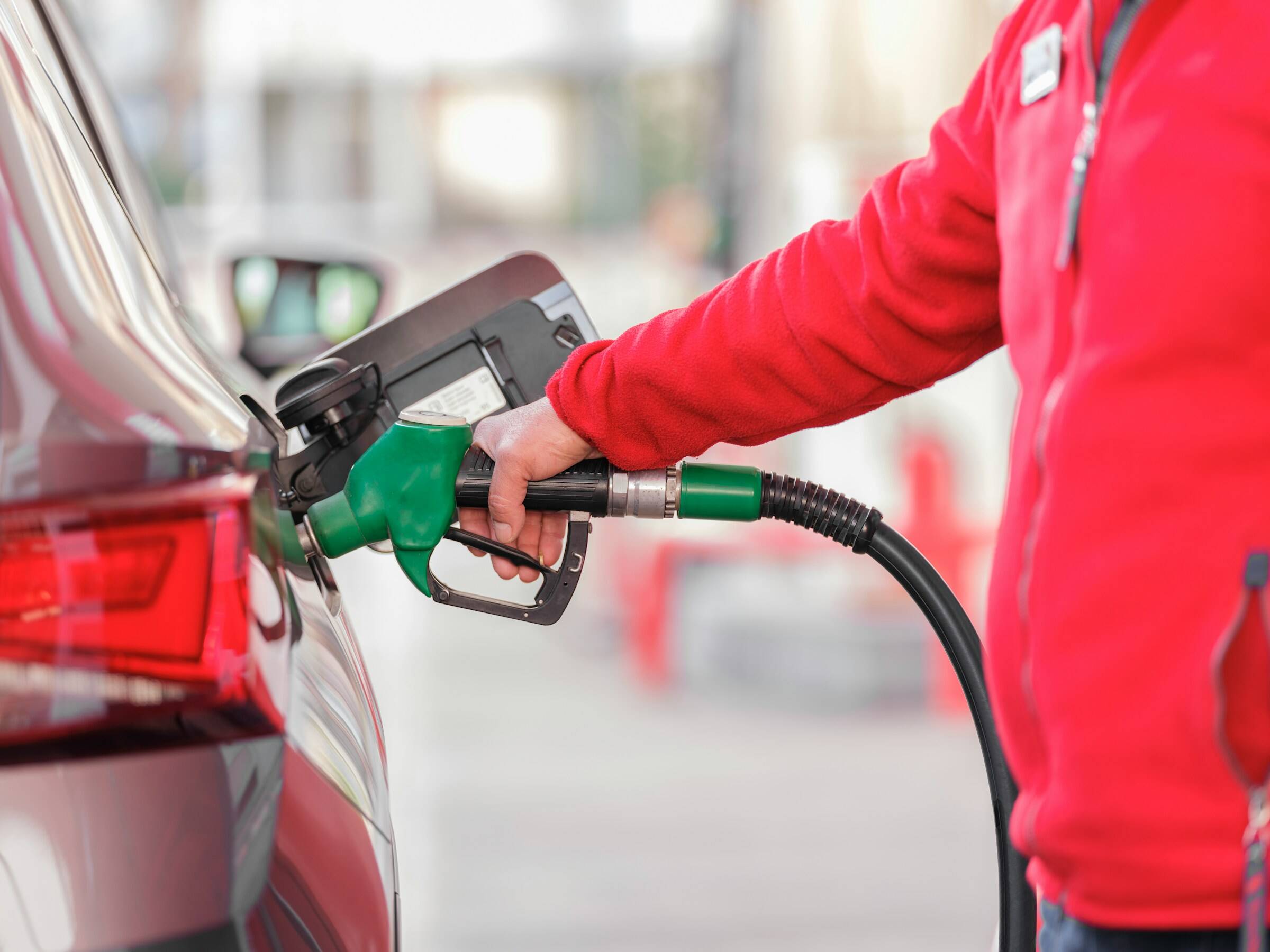
Mileage rates
If your employees use their private cars for work-related travel, you can pay them 45p per mile for the first 10,000 annual business mileage, and 25p per mile thereafter, without triggering a benefit in kind tax charge by HMRC. However, these rates have been frozen since 2011, so 45p would be 67p per mile if it had been increased for inflation. Is this a problem for VAT purposes?
If you pay less than the approved rates, your employees can claim tax relief from HMRC on the difference. If an employee uses a motorbike for business travel, the figure is a reduced rate of 24p per mile.
Road fuel rates
Your business cannot claim input tax on the full 45p mileage rate; this is fair because many expenses included in this allowance are not subject to VAT, such as car insurance, MOT fees and vehicle excise duty. The separate road fuel rates (for employer-provided vehicles) published and updated by HMRC each quarter are more relevant for your VAT returns.
The road fuel mileage rates were updated from 1 December 2025. They are always calculated according to fluctuations in fuel prices, which makes them fairer and more accurate than the mileage rates.
Hybrid cars are treated as either a petrol or diesel car. The rate for fully electric vehicles has gone down to 7p per mile for those employees who charge their car at home. There is no change to the 14p per mile rate for public charging.
Example. Molly is paid 45p per mile by Avarton for business travel in her 1,500cc petrol car and did 1,200 miles last month, so she was reimbursed with £540. There is potential for Avarton to claim input tax of 1,200 x 12p per mile x 1/6 = £24.
Fuel receipts
Your business would not usually be able to claim input tax on road fuel purchased by your employees because the supply of goods is to your employee and not your business and you are paying fixed mileage rates instead. However, HMRC allows a claim to be made on the road fuel element of the mileage claim, £24 for Molly, if your employees also attach fuel receipts to their claim, as long as:
- the total VAT shown on the receipts exceeds the input tax claimed on your return for that employee. This will usually be the case because the fuel receipts will include private as well as business travel; and
- the fuel was purchased from a VAT-registered supplier.
The fuel rates can also be used for company cars where your employees pay for their own road fuel and are reimbursed by your business later. Again, fuel receipts must be attached to the claim.
You cannot claim input tax on fuel costs reimbursed to non-employees, such as contractors, freelancers or agency workers.
Related Topics
-
Do dividend waivers still work?
You need to take a dividend from your company but there’s just one problem. Your business partner, who is also a 50% shareholder, doesn’t want to take any more income from the company during this tax year. What’s the solution?
-
Save tax by combining directors’ loan accounts
You started a company last year and it’s time to prepare its first accounts. Your director’s loan account (DLA) is in credit but your spouse’s is overdrawn. Might amalgamating the DLAs avoid or reduce a tax charge?
-
Updated guidance on mandatory payrolling of benefits in kind
Much like the rollout of mandatory payrolling of benefits in kind, HMRC guidance on the matter is coming in dribs and drabs. What's the latest?





 This website uses both its own and third-party cookies to analyze our services and navigation on our website in order to improve its contents (analytical purposes: measure visits and sources of web traffic). The legal basis is the consent of the user, except in the case of basic cookies, which are essential to navigate this website.