HMRC threatens bogus penalties
Correspondence from HMRC suggests there's a penalty if you don't pay your self-assessment tax bill by Saturday, 31 January. This isn't strictly true, but what are your options if you can't pay on time?
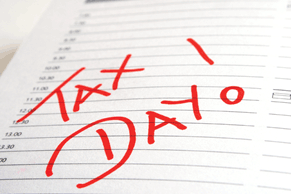
If you're signed up to receive reminders from HMRC about self-assessment, you'll have received several texts and/or emails about the filing and payment deadline, which is 31 January (this Saturday). The reminders may be helpful for some, but the scaremongering tactics are not. The most recent text begins with "Remember to pay by 31 January to avoid a penalty". Whilst the payment deadline is 31 January, it simply isn't true that you'll be charged a penalty if you don't pay on time. Whilst we don't advise missing the deadline, the fact is late payment penalties don't kick in until you're 30 days late as stated online.
However, you will be charged late payment interest, at 7.75% per annum. As far as interest rates go, this is eye-wateringly high, but if you need a few days to make the payment it isn't likely to break the bank. For example, if your tax bill is £3,000, the late payment interest charge is less than £4.50 per week.
If you're in real financial difficulty you should contact HMRC as soon as possible to agree a payment plan.
Related Topics
-
Payment deadline for corporation tax
-
HMRC targets undeclared consultancy income in the medical sector
HMRC is writing to people working in the medical sector where information supplied by private healthcare providers suggests that consultancy fees may have been omitted from their tax returns. Recipients have 30 days to check their position and respond. What should you do if you get a letter?
-
MONTHLY FOCUS: BUSINESS AND AGRICULTURAL PROPERTY RELIEF: WHAT DO THE NEW IHT RULES MEAN FOR YOU?
The inheritance tax treatment of businesses and farms changed fundamentally from 6 April 2026. The amount that can qualify for 100% business property relief and agricultural property relief is now capped, potentially leaving families with a significant tax bill for the first time. What has changed, and what should business owners and farmers be doing about it?





 This website uses both its own and third-party cookies to analyze our services and navigation on our website in order to improve its contents (analytical purposes: measure visits and sources of web traffic). The legal basis is the consent of the user, except in the case of basic cookies, which are essential to navigate this website.