HMRC shuts down repayment agent
HMRC has previously announced an increase in protective measures for individuals dealing with so-called “repayment agents”. Now, one such agent has been ordered to cease trading. What’s the full story, and what do you need to do if you have a claim in progress?
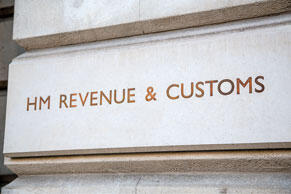
Repayment agent ads have become a common sight in recent years, particularly on social media. You’ll recognise them by their style, usually along the lines of “Do you wear a uniform to work? You could be owed £1,000s from HMRC…” or similar. While many such agents are genuine, the industry has come in for criticism due to practices that are, at best, questionable, e.g. requiring refunds to be made directly to the agent’s account.
More seriously, HMRC is concerned that some of these “firms” are really just a front for money laundering. All tax agents (and other professionals, including accountants and solicitors) must comply with anti-money laundering regulations, including being registered with a supervisory authority. HMRC has found one agent, Tax Credits Limited, to have seriously breached these requirements and ordered the company to cease trading as a repayment agent. It's estimated that around 11,000 individuals had commenced refund claims via the company. HMRC will now write to these individuals to update them. The refunds will be automatically made by HMRC, so you don’t need to do anything if you are one of those affected.
Related Topics
-
Payment deadline for corporation tax
-
HMRC targets undeclared consultancy income in the medical sector
HMRC is writing to people working in the medical sector where information supplied by private healthcare providers suggests that consultancy fees may have been omitted from their tax returns. Recipients have 30 days to check their position and respond. What should you do if you get a letter?
-
MONTHLY FOCUS: BUSINESS AND AGRICULTURAL PROPERTY RELIEF: WHAT DO THE NEW IHT RULES MEAN FOR YOU?
The inheritance tax treatment of businesses and farms changed fundamentally from 6 April 2026. The amount that can qualify for 100% business property relief and agricultural property relief is now capped, potentially leaving families with a significant tax bill for the first time. What has changed, and what should business owners and farmers be doing about it?





 This website uses both its own and third-party cookies to analyze our services and navigation on our website in order to improve its contents (analytical purposes: measure visits and sources of web traffic). The legal basis is the consent of the user, except in the case of basic cookies, which are essential to navigate this website.