Dividend waiver
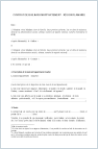
A dividend waiver is a document produced by a sharelder to show that they have given up (waived) their right to one or more dividends that they would otherwise be entitled to. A waiver can be used in income tax and inheritance tax planning but it must be made as a deed or HMRC will not accept its validity.
The waiver deed
When a company pays a dividend, all the shareholders receive a cheque in proportion to their shareholding in the company. It’s a case of all or nothing. Plus, under present rules, anyone liable to the higher rate of tax suffers an additional income tax on dividends. In other words, if you are already a higher rate taxpayer the problem with taking an extra dividend is that you pay tax on it. Yet fellow shareholders may have no tax to pay. This is where dividend waivers come in.
They can therefore be used as a method of reducing the income a shareholder receives from the company. You cannot waive the dividend after you obtain the right to receive it. Use our Dividend Waiver agreement to achieve this.
One possible use of a dividend waiver would be to divert income to one or more of the other shareholders. However, HMRC clearly states in its manuals that it will look very closely at dividend waivers where the non-waiving shareholder would pay less tax on the dividend than the waiving shareholder. Therefore, it’s best to state in the deed of waiver that it has been made to allow the company to retain funds for a specific purpose. Also make sure the dividend declared per share times the total number of shares in issue before any waivers does not exceed the amount of the company’s distributable reserves.
A waiver of dividends within twelve months before any right to the dividend has accrued avoids a possible inheritance tax problem (s.15 Inheritance Tax Act 1984). This is another good reason for the period of 364 days mentioned on the waiver.
Related Topics
-
Should you voluntarily payroll benefits in kind?
The window to sign up to voluntarily payroll non-mandatory benefits in kind for 2027/28 will open in November. Is it worth volunteering to pay HMRC earlier than required or should you wait until it becomes mandatory in 2028/29?
-
Wise tax statement errors could affect 4,000 customers
Around 4,000 UK customers of financial services provider Wise have been told that tax statements issued between 2021 and 2025 contained incorrect figures. The errors could have resulted in taxpayers paying too much or too little income tax and capital gains tax (CGT). What should affected customers check?
-
CT61





 This website uses both its own and third-party cookies to analyze our services and navigation on our website in order to improve its contents (analytical purposes: measure visits and sources of web traffic). The legal basis is the consent of the user, except in the case of basic cookies, which are essential to navigate this website.